
-
Bingdao Daye Tea Plant *Organic*
Price range: €20,51 through €28,96 Select options This product has multiple variants. The options may be chosen on the product page -
Blavezh2 Tea Plant
Price range: €18,10 through €40,30 Select options This product has multiple variants. The options may be chosen on the product page -
Cuilü Tea Plant
€20,51 Select options This product has multiple variants. The options may be chosen on the product page -
Dishuixiang Tea Plant
Price range: €20,51 through €36,60 Select options This product has multiple variants. The options may be chosen on the product page -
Fenqing Daye Tea plant
Price range: €28,96 through €33,34 Select options This product has multiple variants. The options may be chosen on the product page -
Fuding Dabai Tea Plant
Price range: €29,86 through €42,68 Select options This product has multiple variants. The options may be chosen on the product page -
Jinggu Daye Tea Plant
Price range: €20,51 through €28,96 Select options This product has multiple variants. The options may be chosen on the product page -
Kolkhida Tea Plant
€16,41 Select options This product has multiple variants. The options may be chosen on the product page -
Laobanzhang Daye Tea plant
€28,96 Select options This product has multiple variants. The options may be chosen on the product page -
Longjing 43 Tea Plant
Price range: €20,51 through €36,60 Select options This product has multiple variants. The options may be chosen on the product page -
Longjing Changye Tea Plant
Price range: €20,51 through €36,60 Select options This product has multiple variants. The options may be chosen on the product page -
Longjing Jiukeng Tea Plant
Price range: €20,51 through €36,60 Select options This product has multiple variants. The options may be chosen on the product page
Our tea plants are mainly Camellia sinensis var. sinensis, the variety best suited to temperate climates. We do, however, offer some Camellia sinensis var. assamica, a variety that requires more heat to develop.
After using our own tea plant seeds and cuttings to expand our plantations, we are now offering part of our tea plant production for sale. So, for the first time in Europe, we’re offering you the chance to choose a cultivar that suits your climatic conditions and the type of tea you want to produce.
For any order of 100 plants or more, please contact us by email.
We also offer complete support, combining field expertise and an assessment of the technical and economic feasibility of your project. Feel free to contact us by email so that we can accurately identify your needs and provide you with a customized quote.

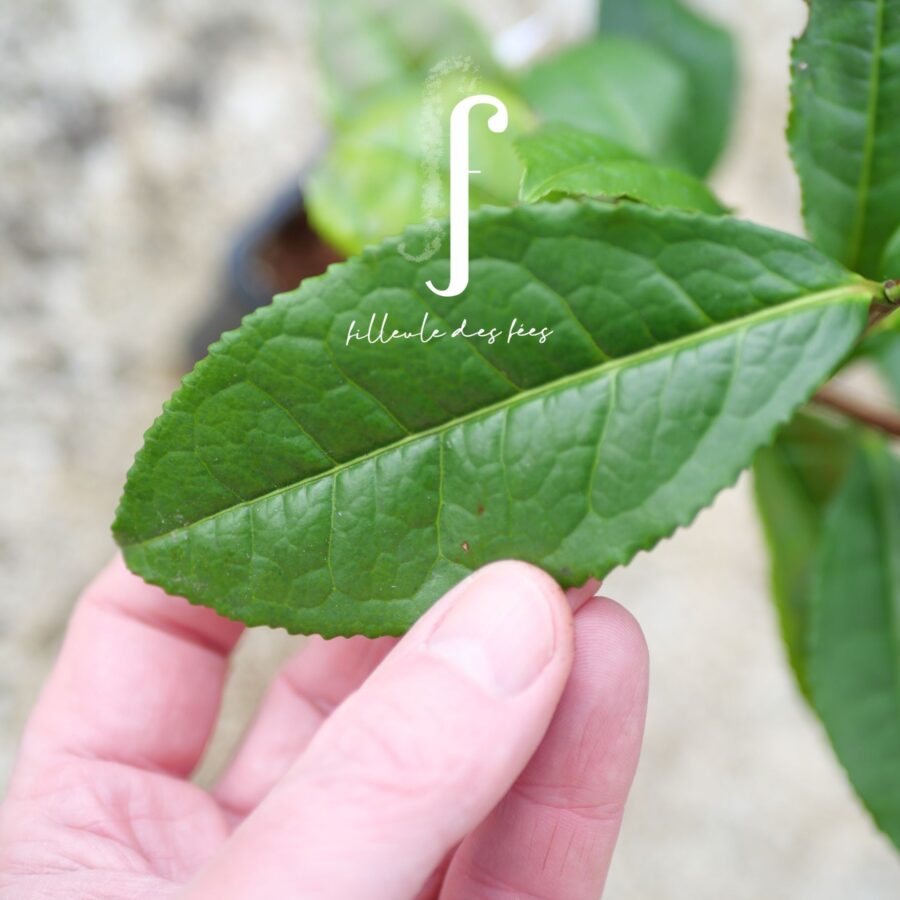
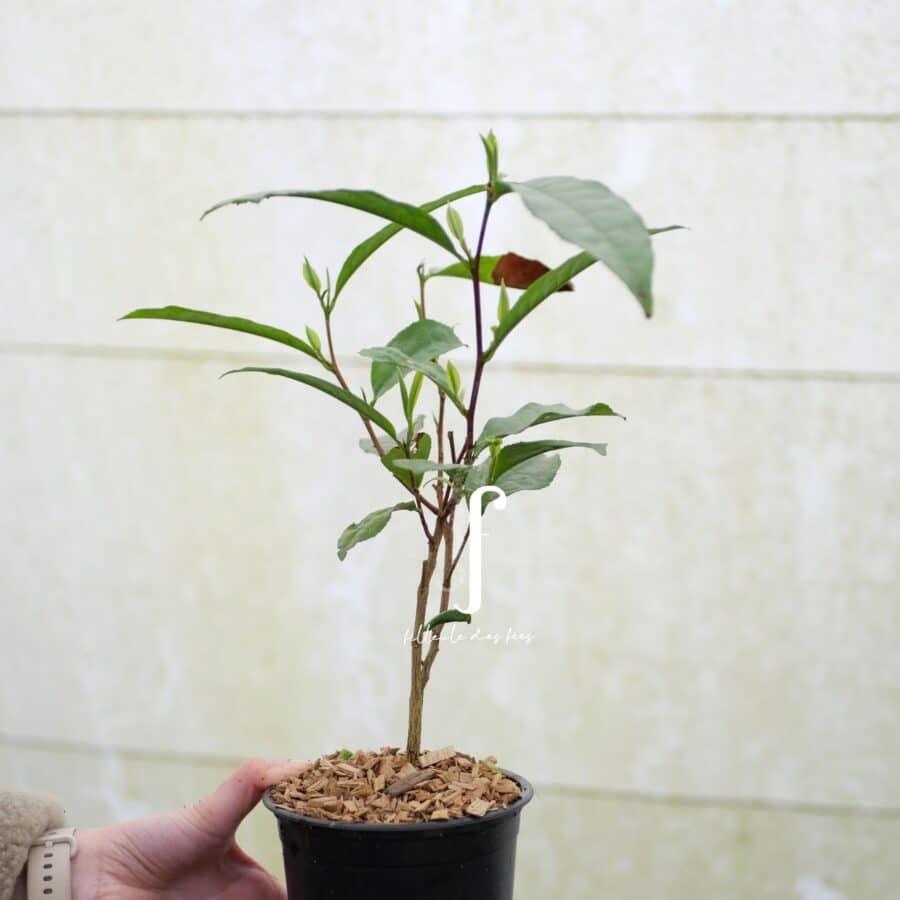
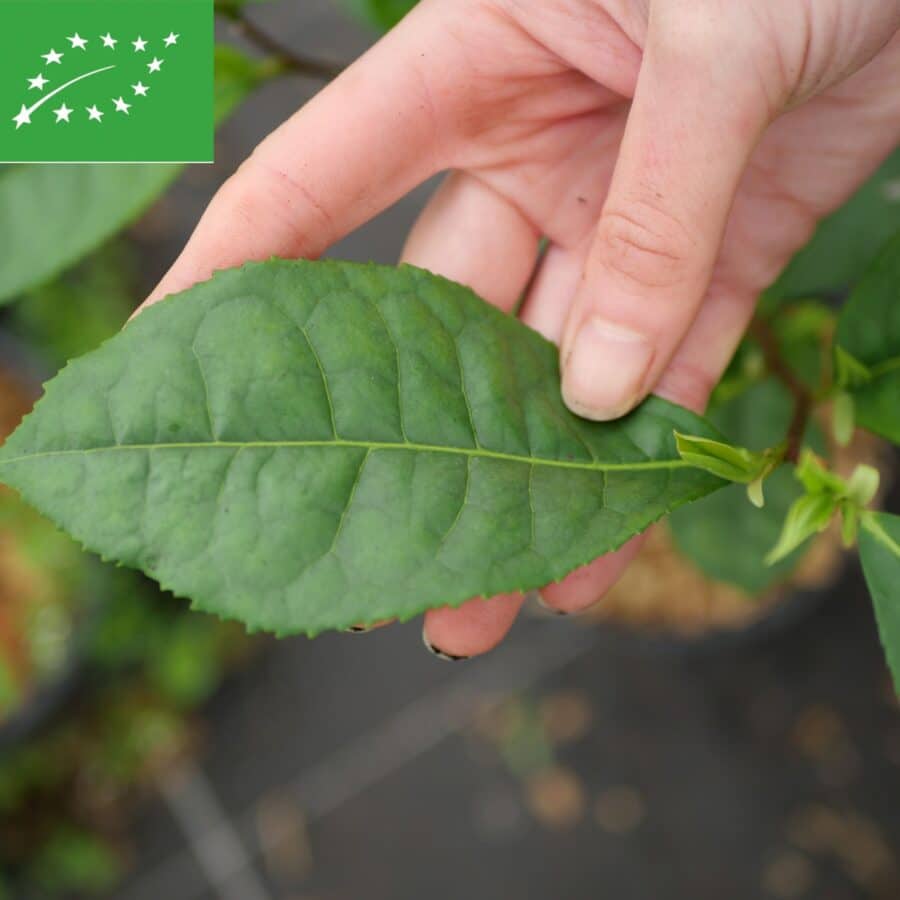
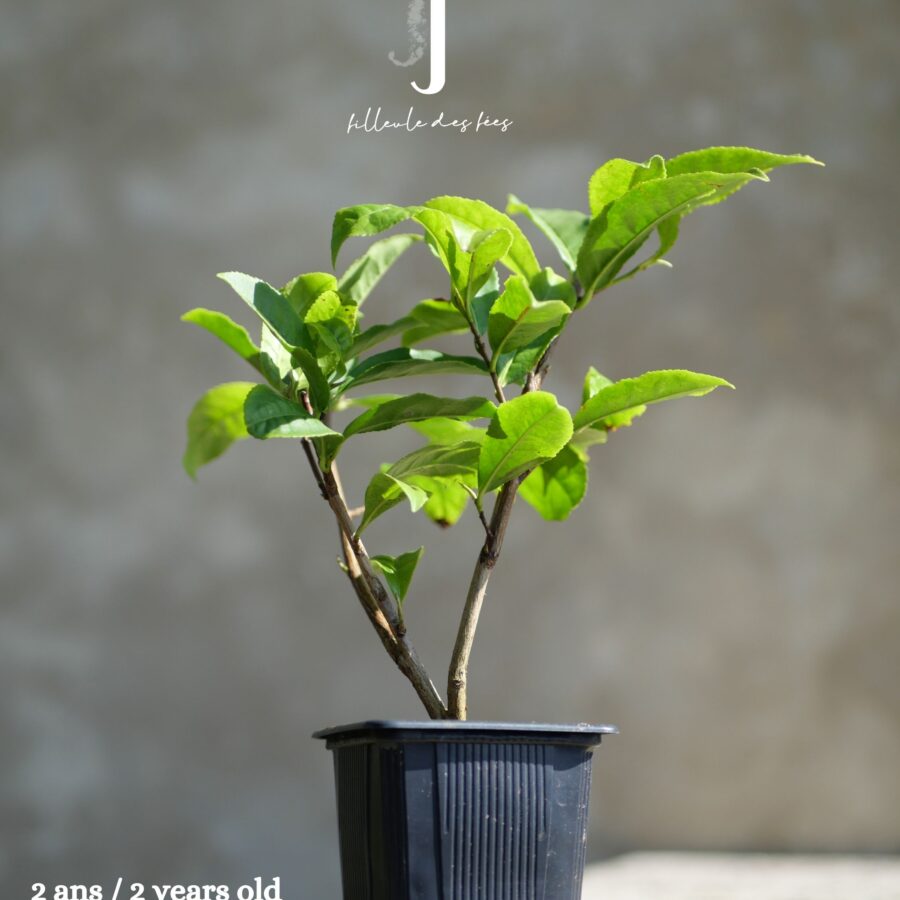
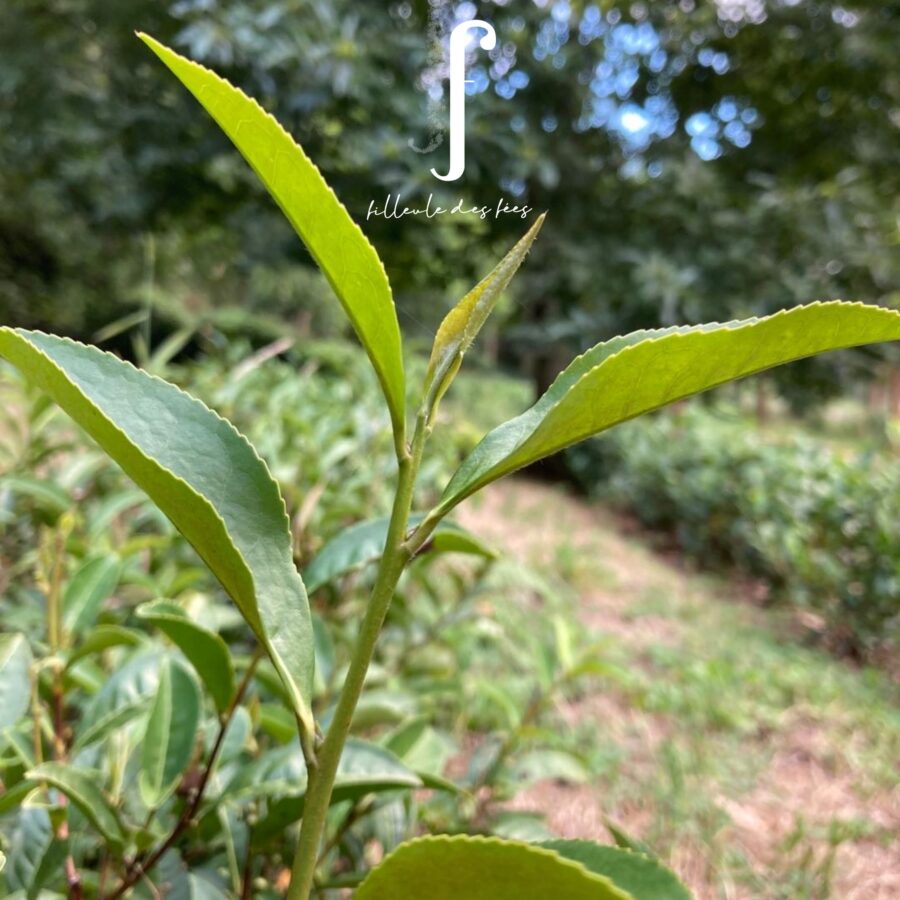
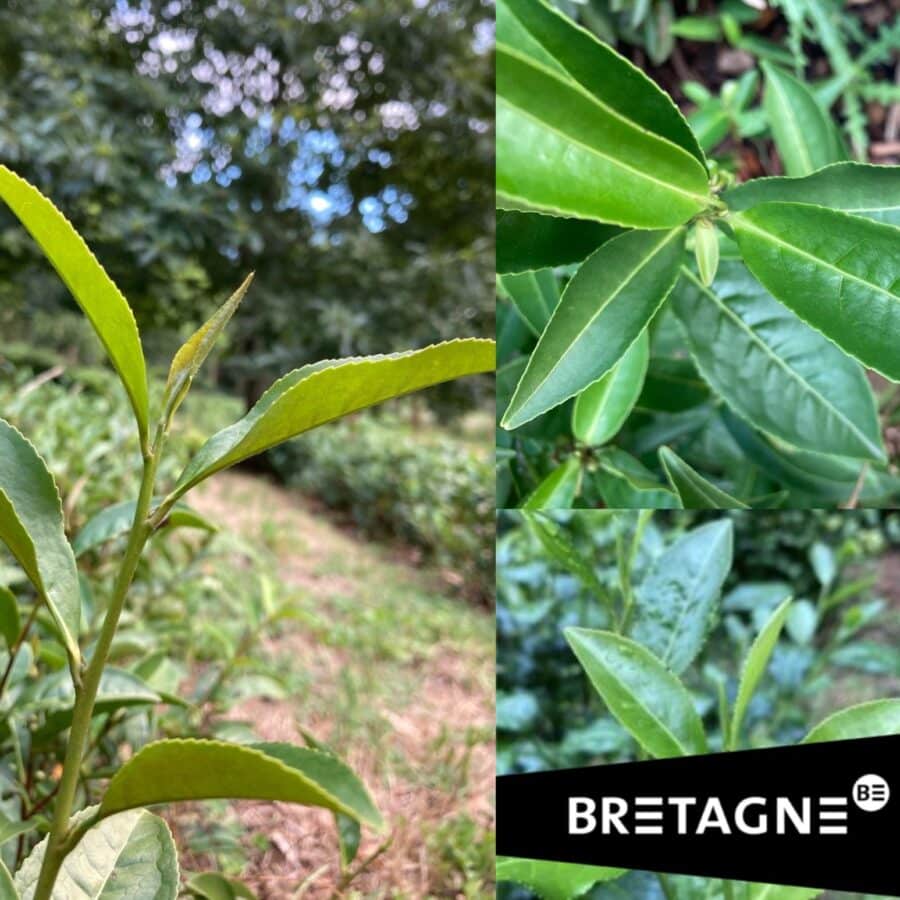
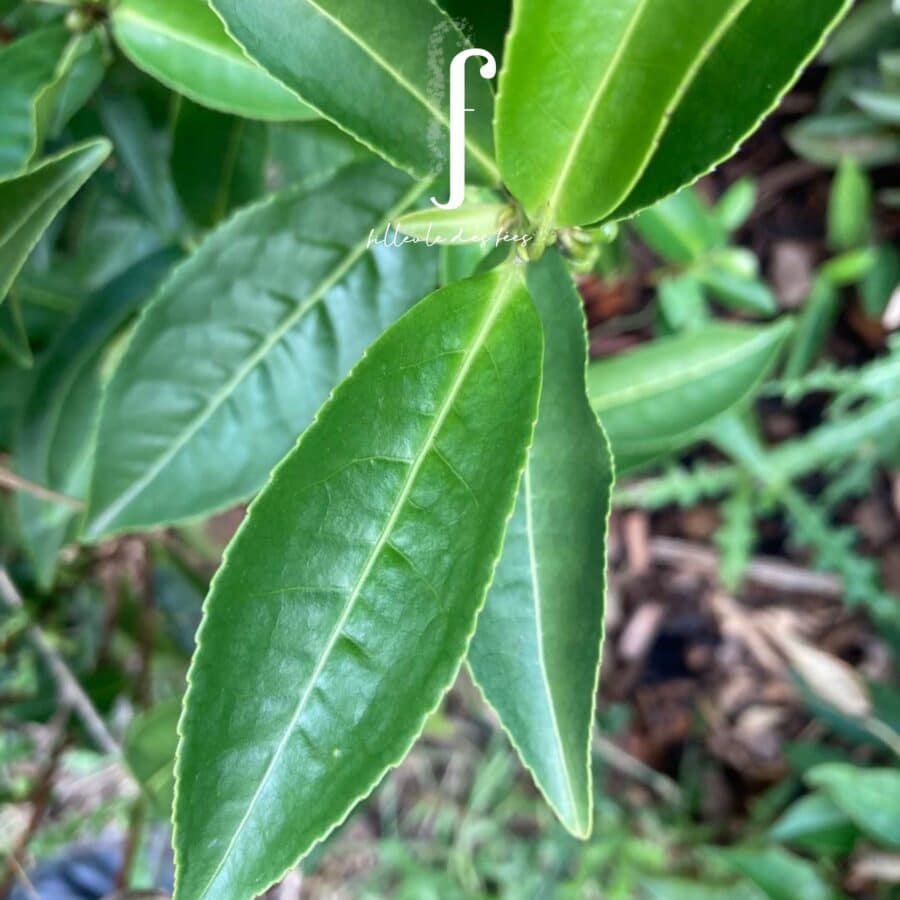
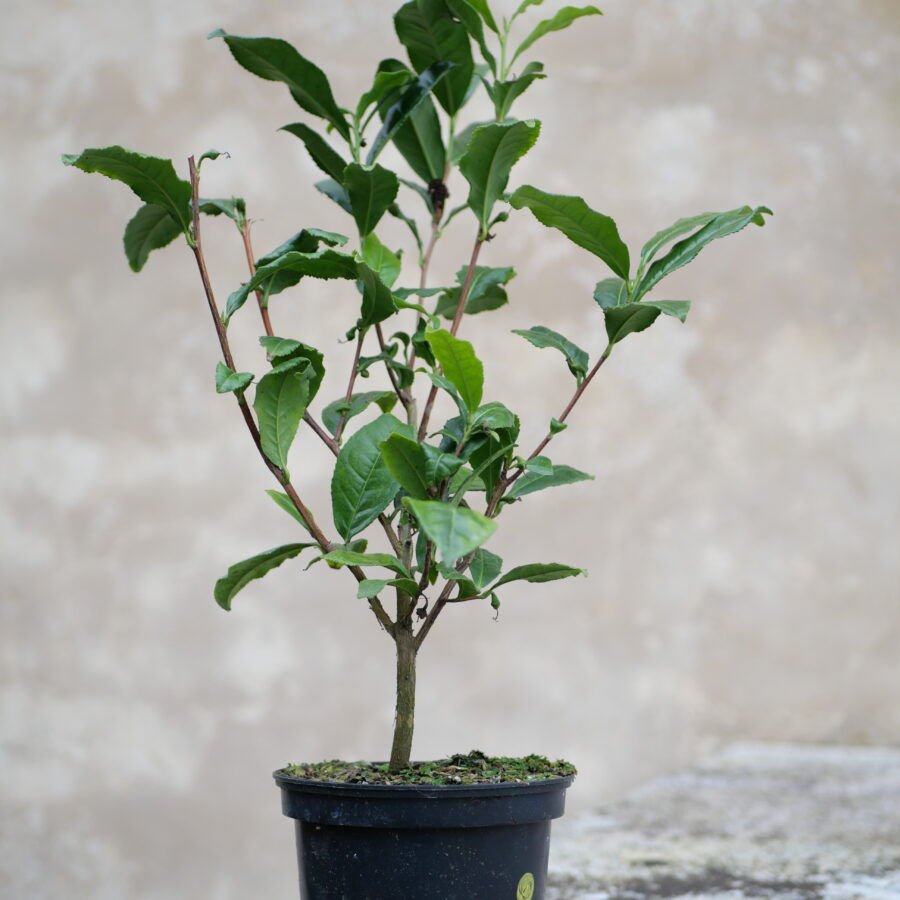
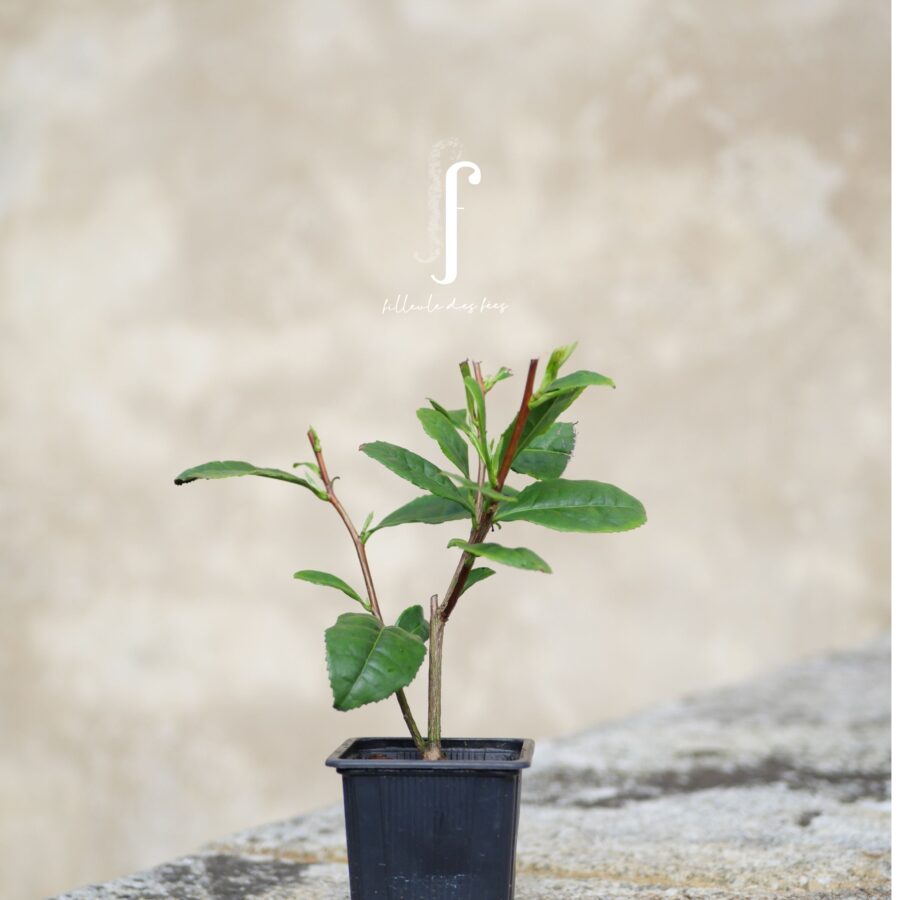
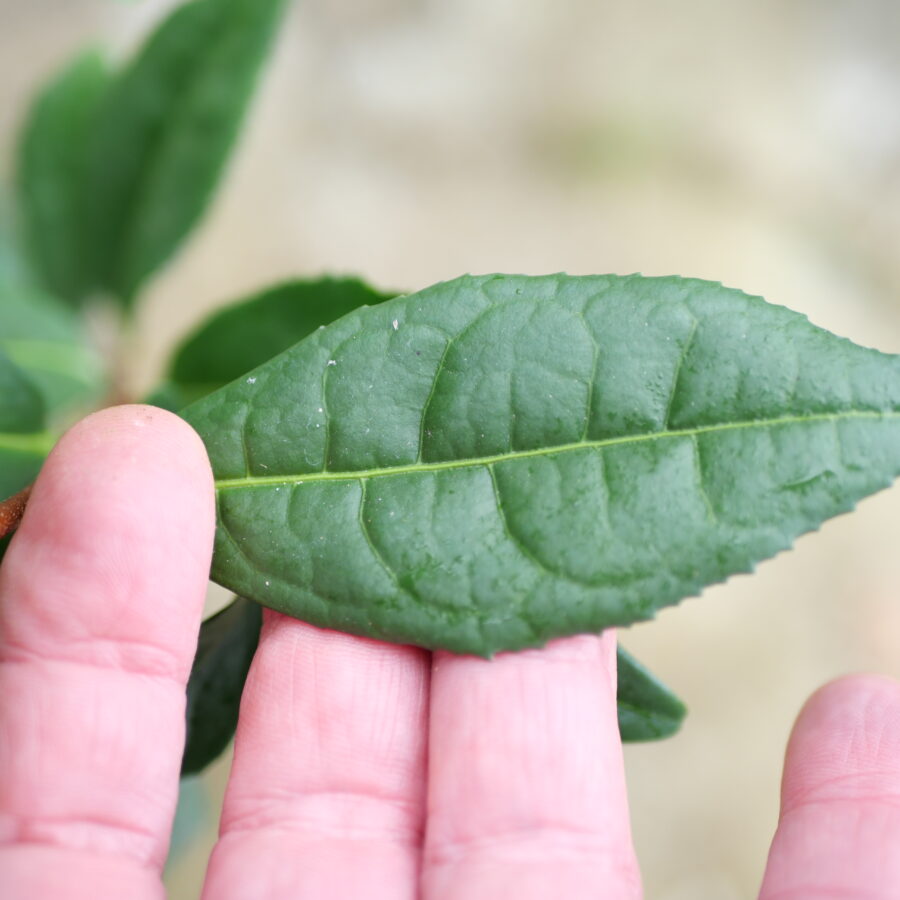
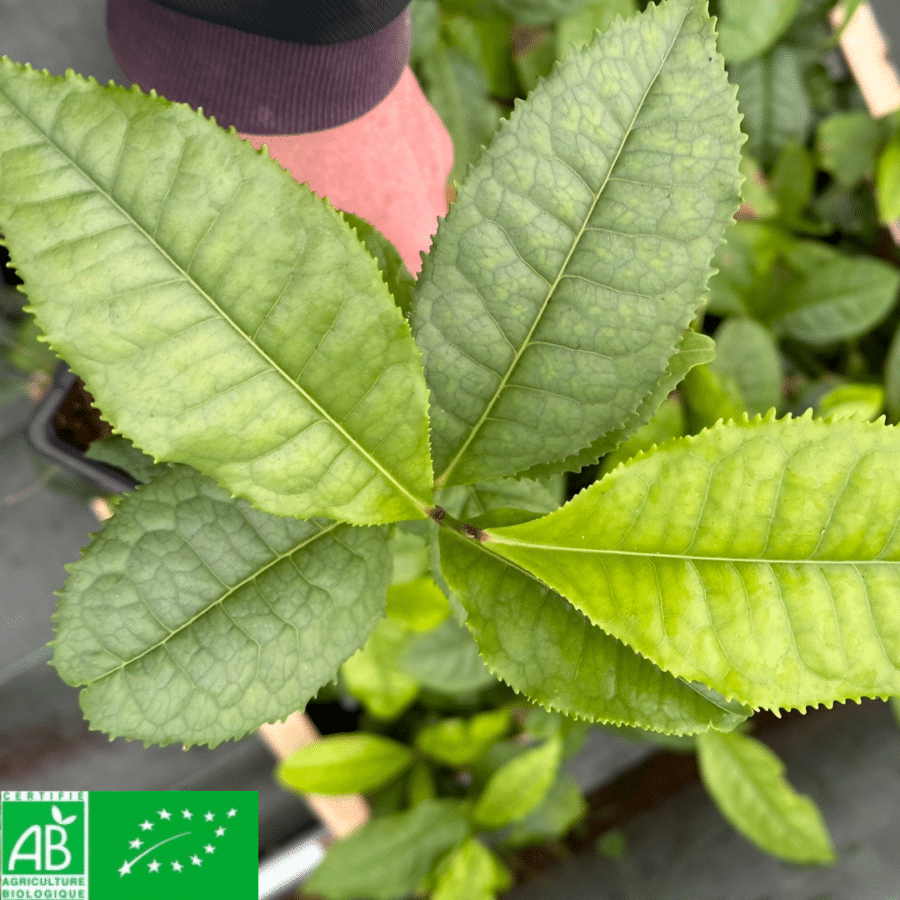
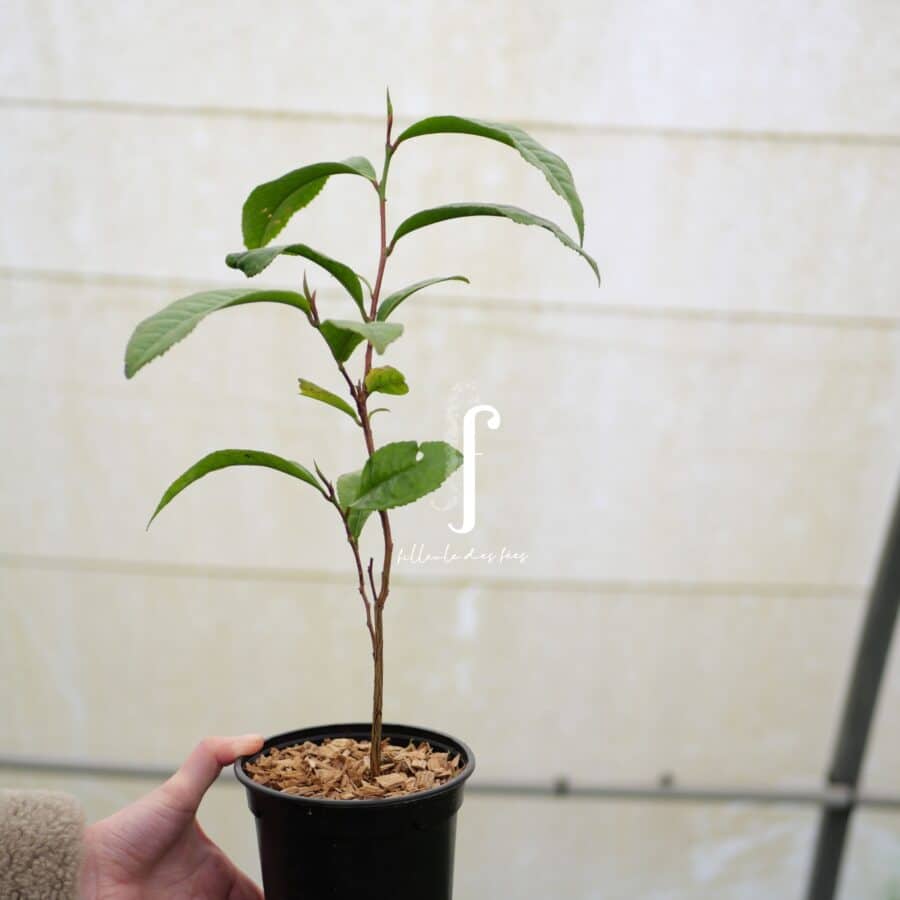
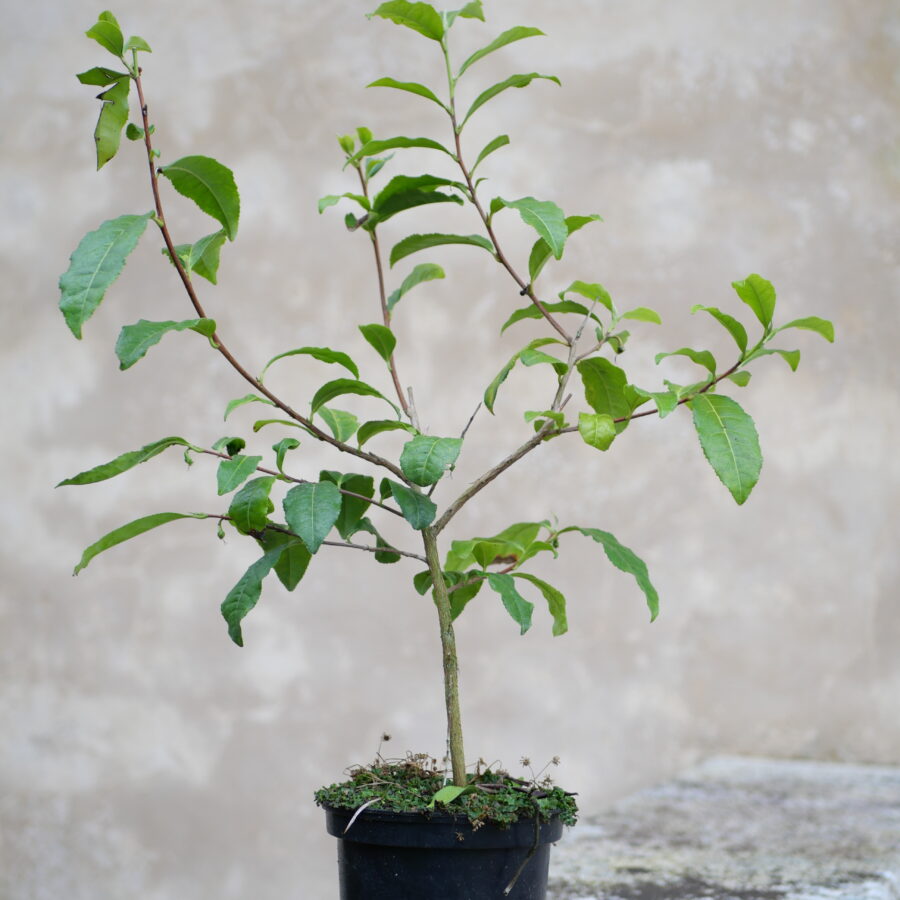
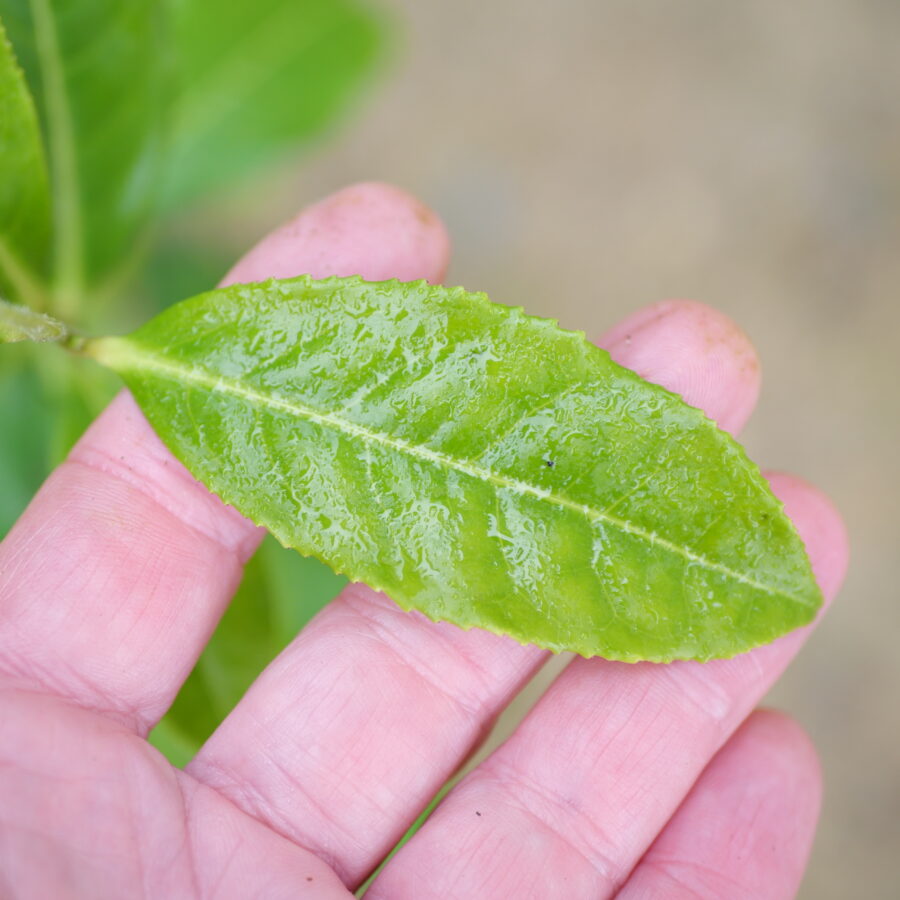
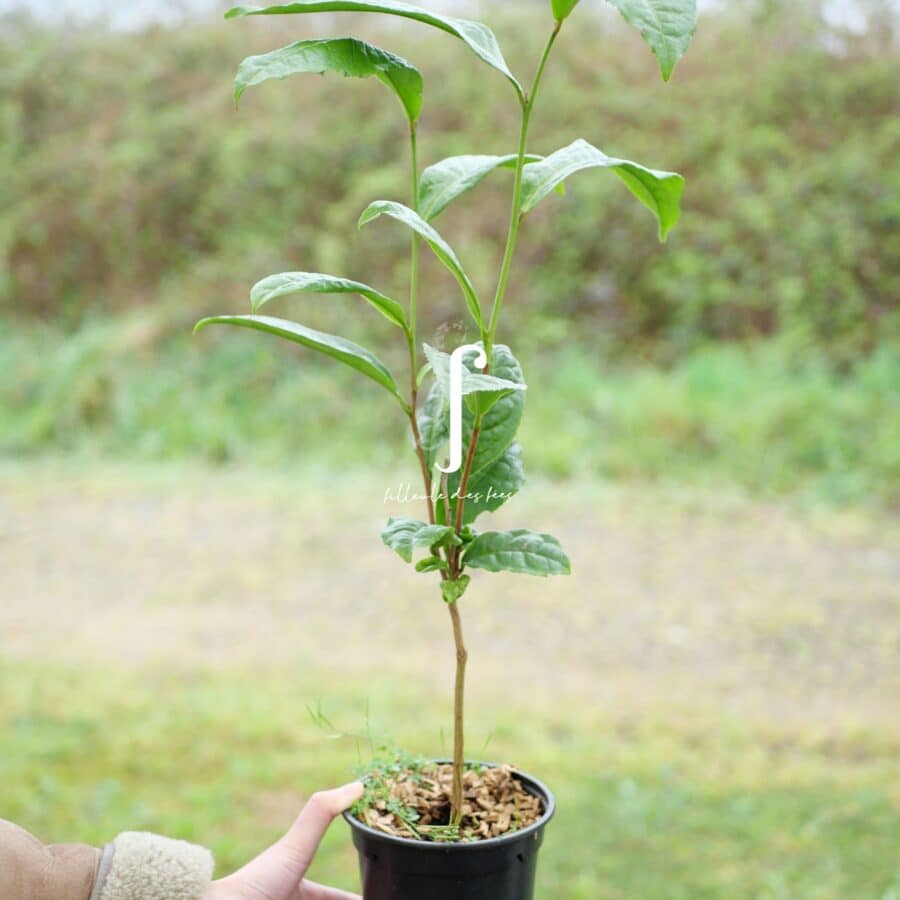
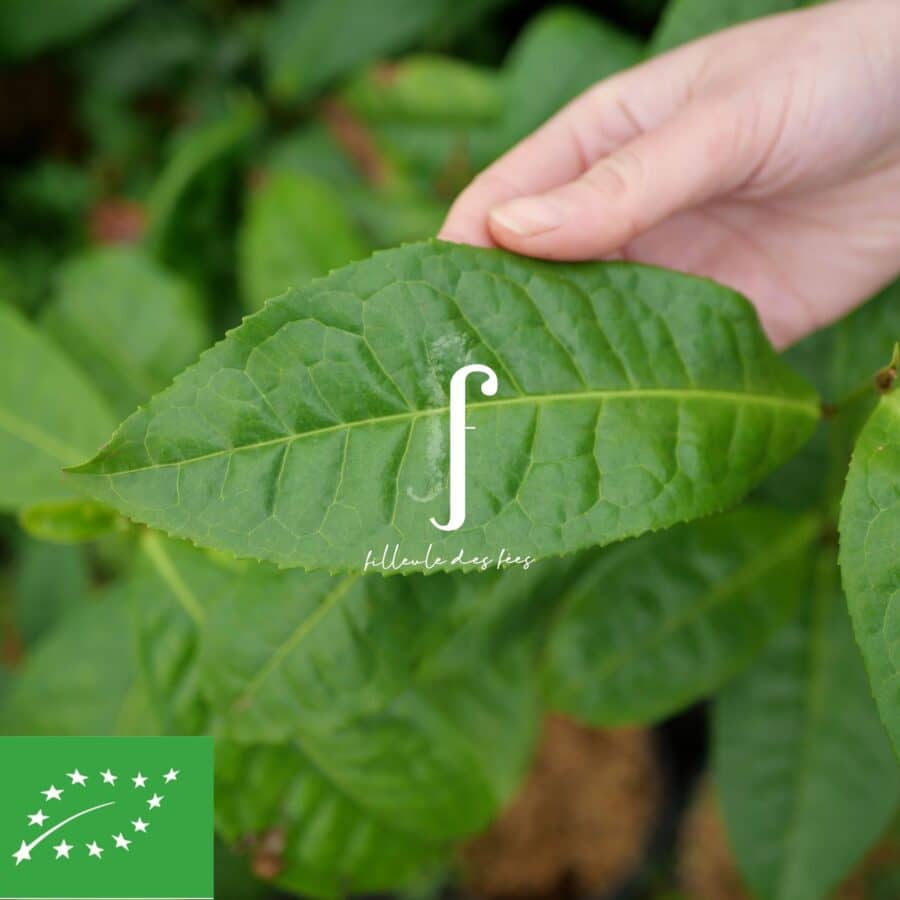
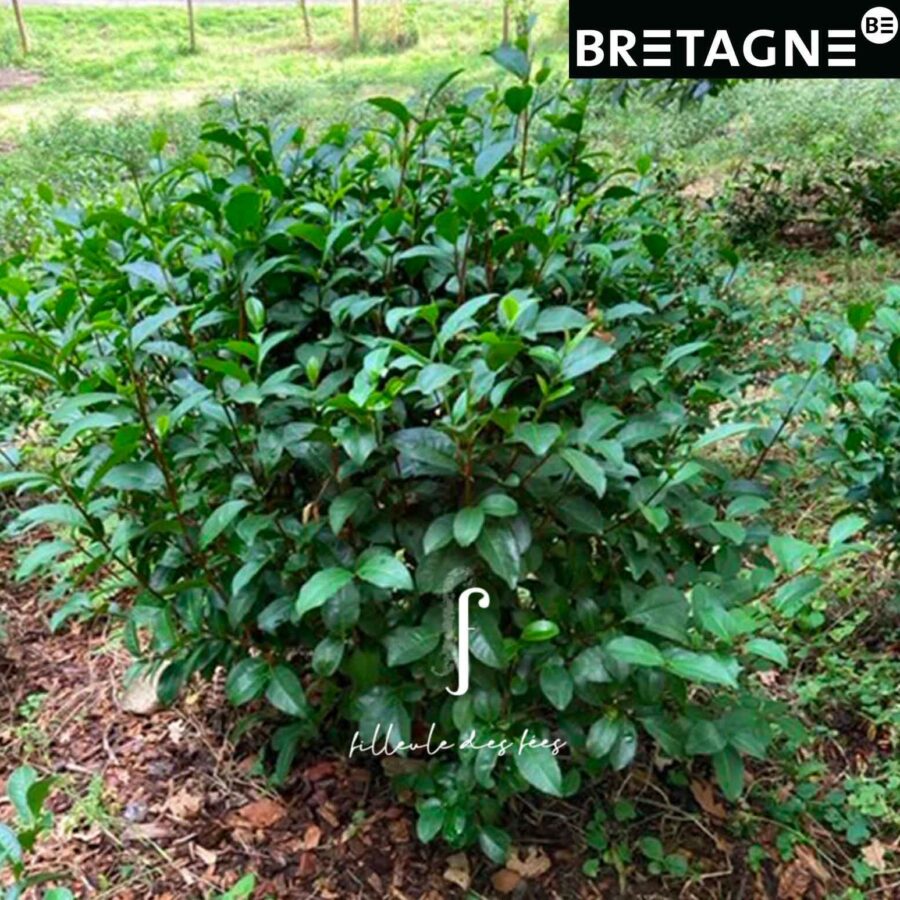
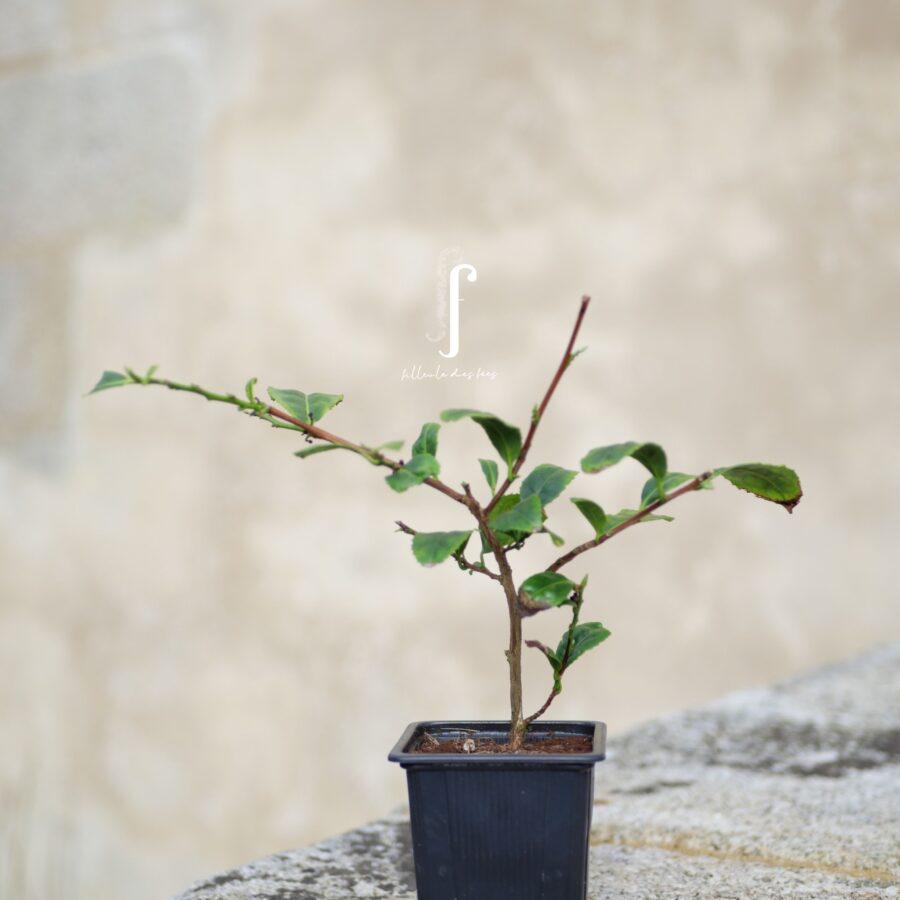
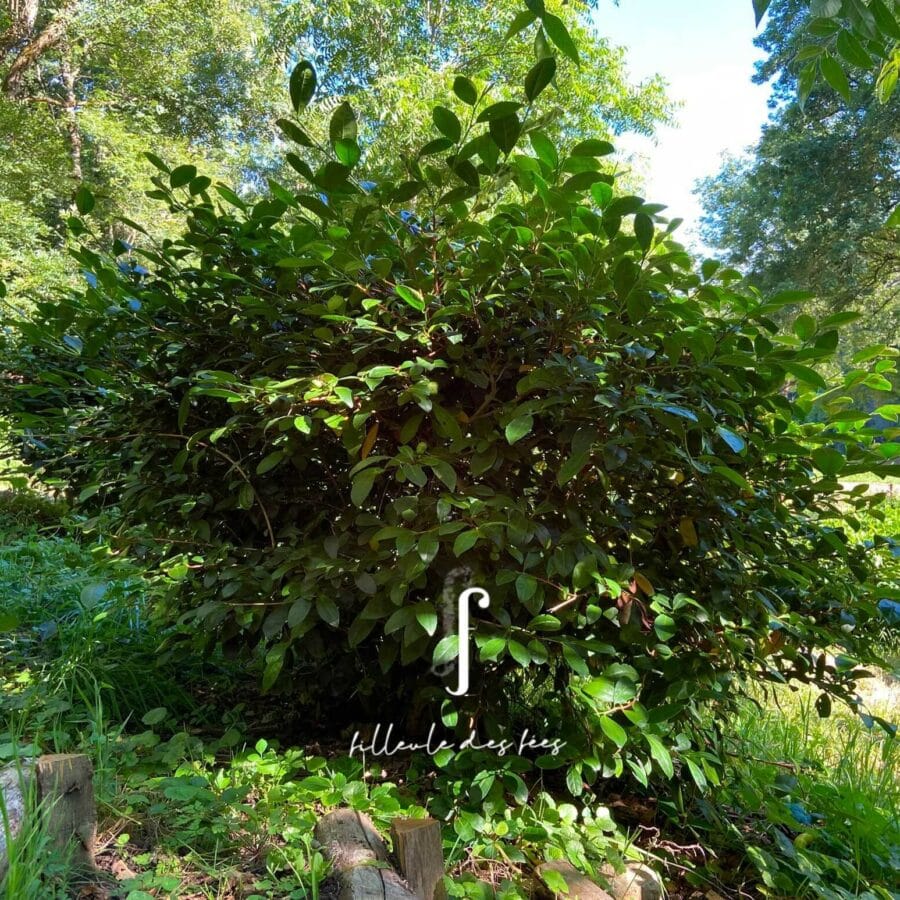
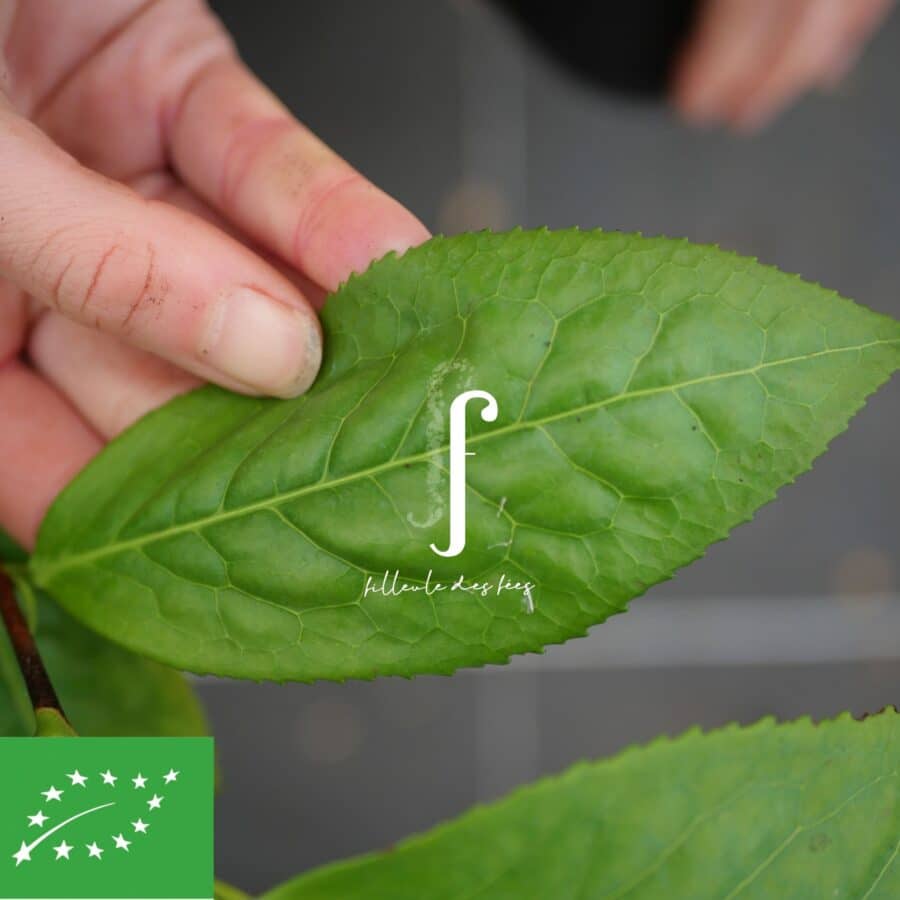
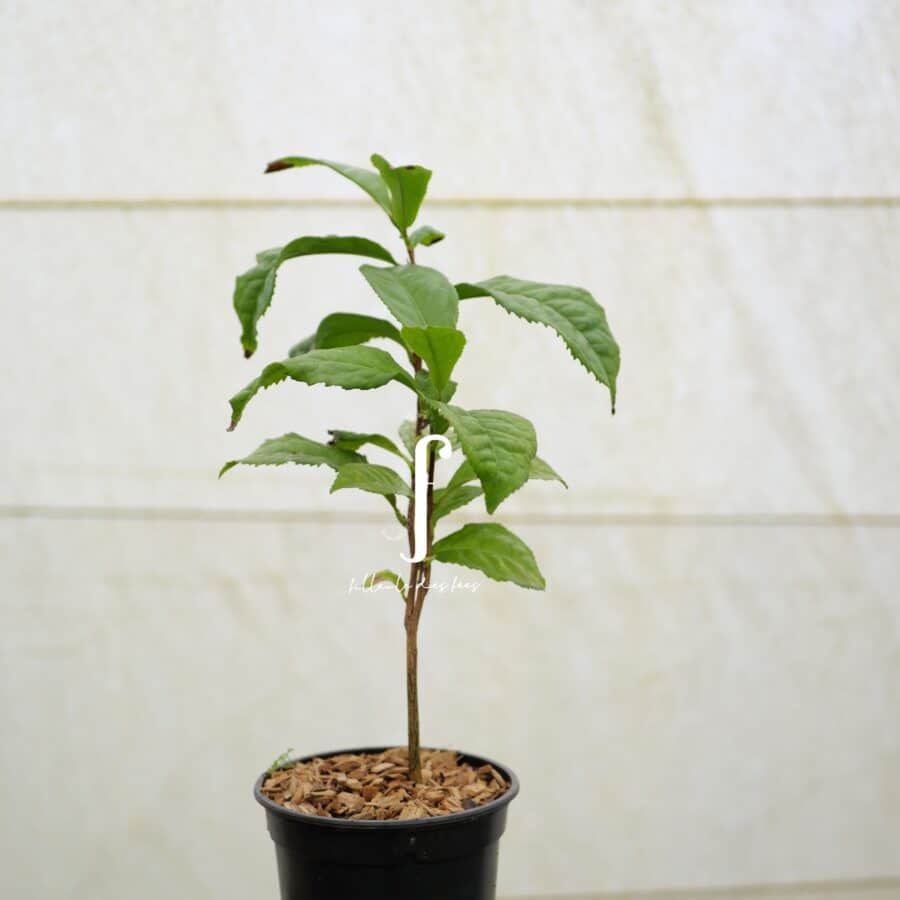
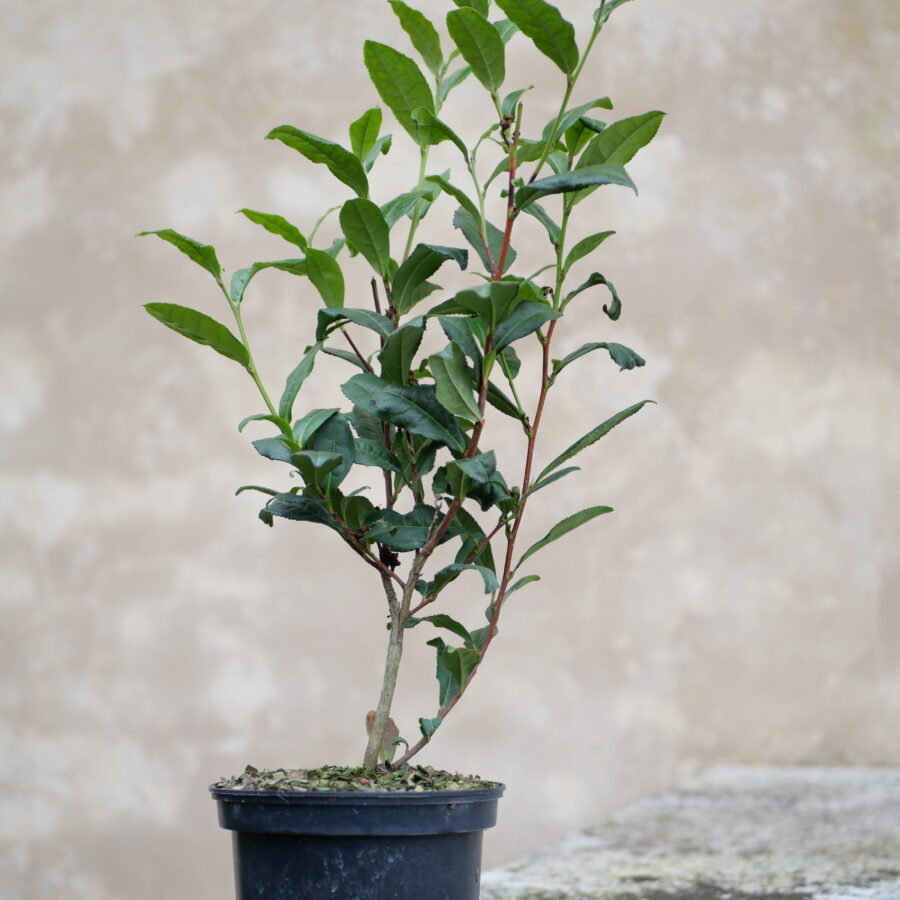
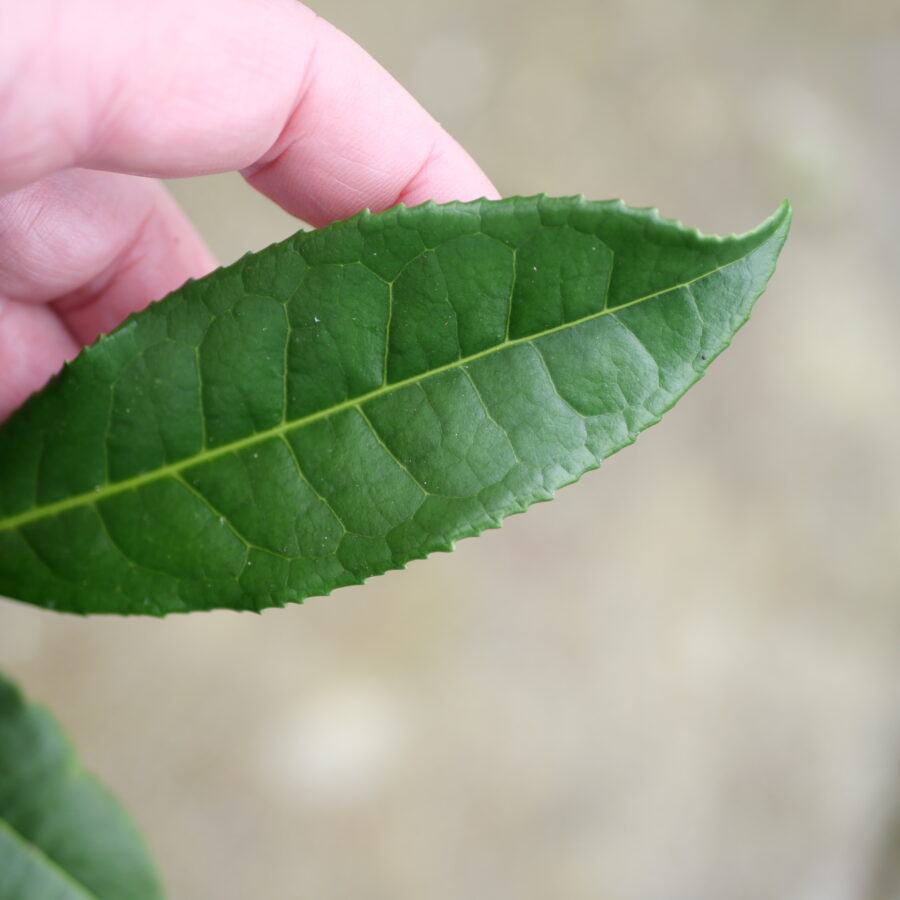
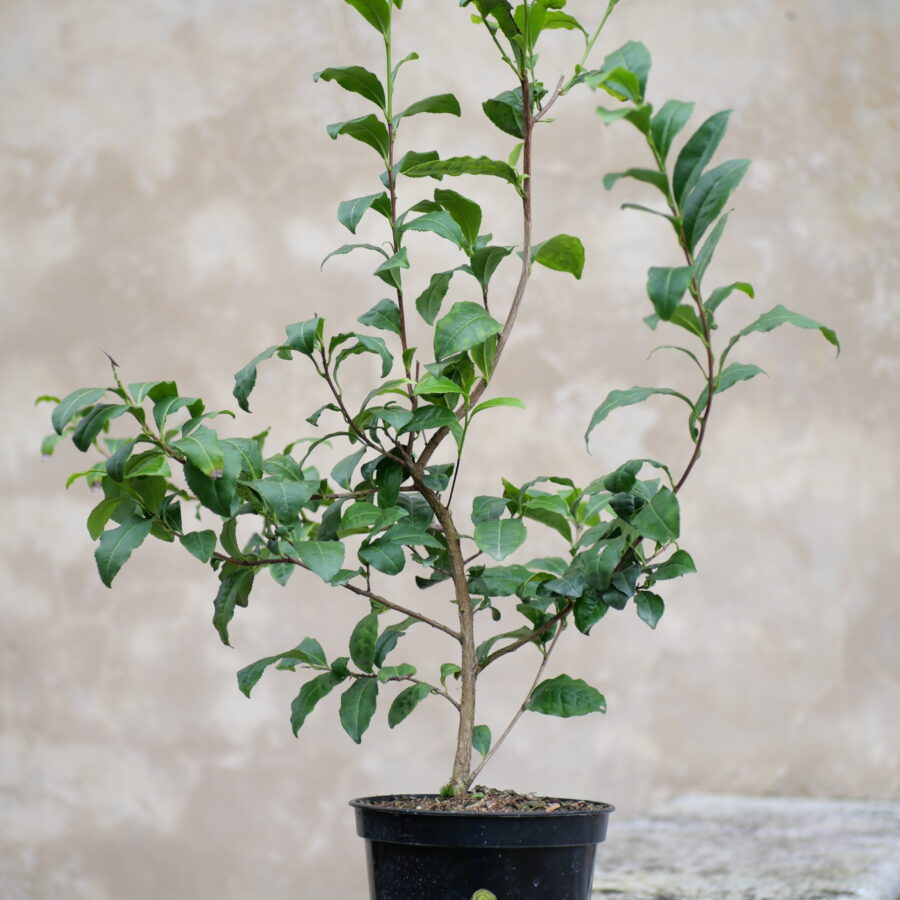
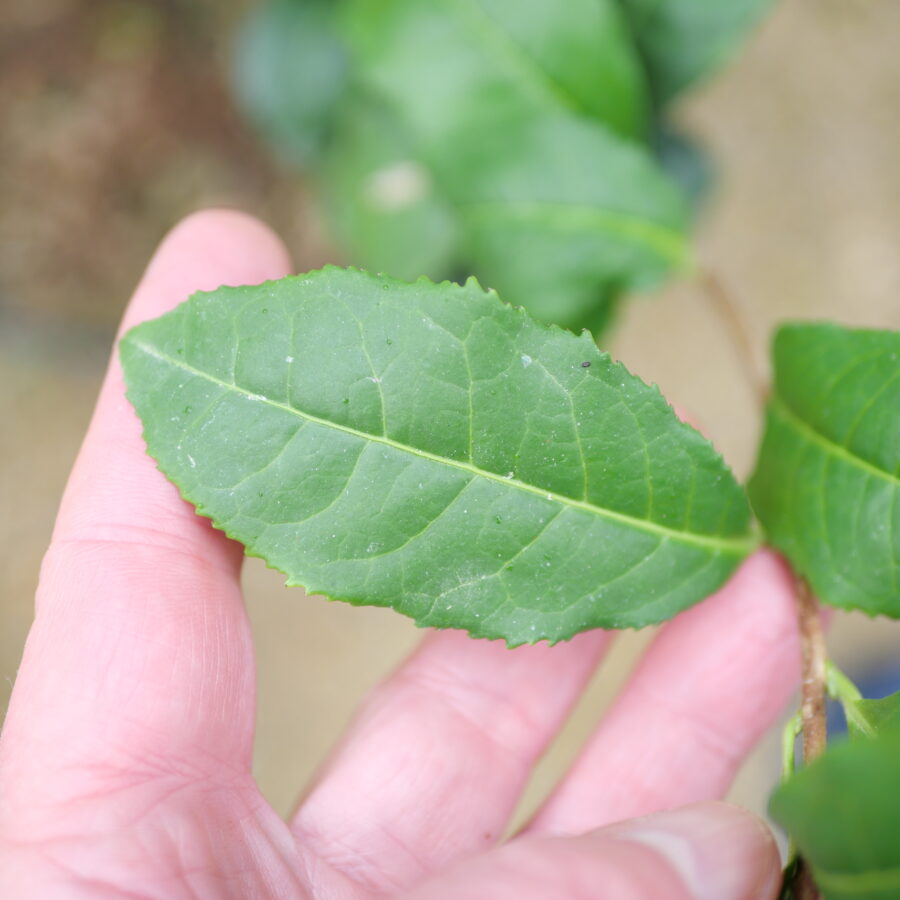
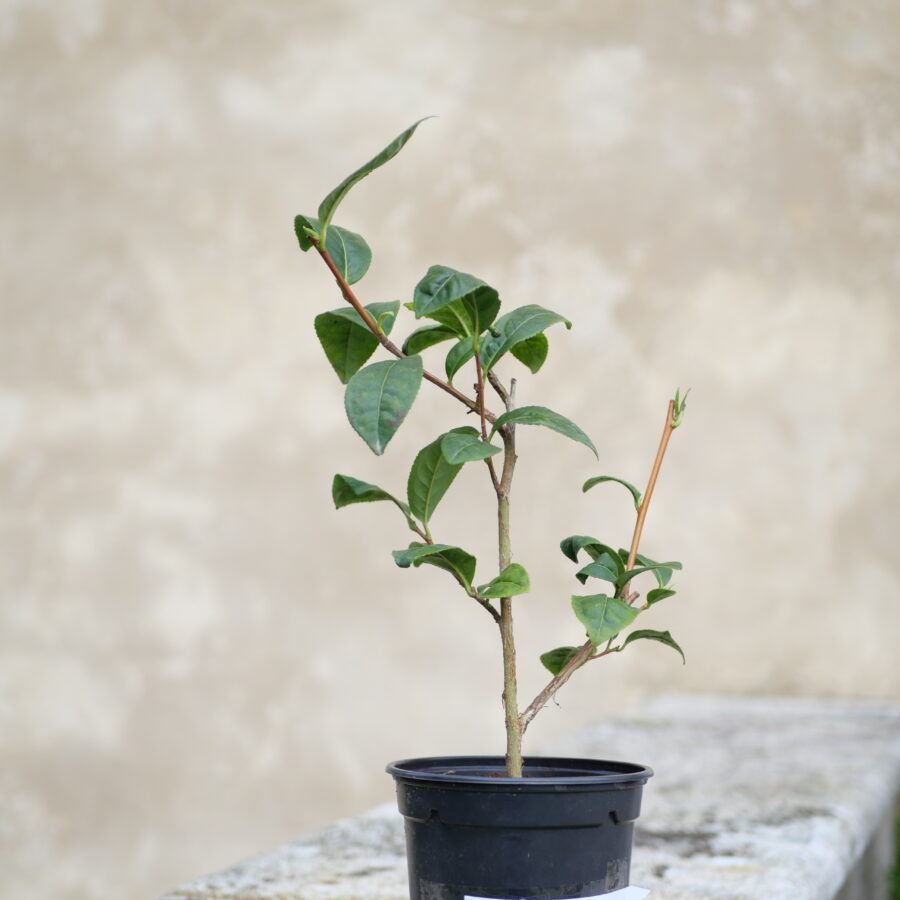
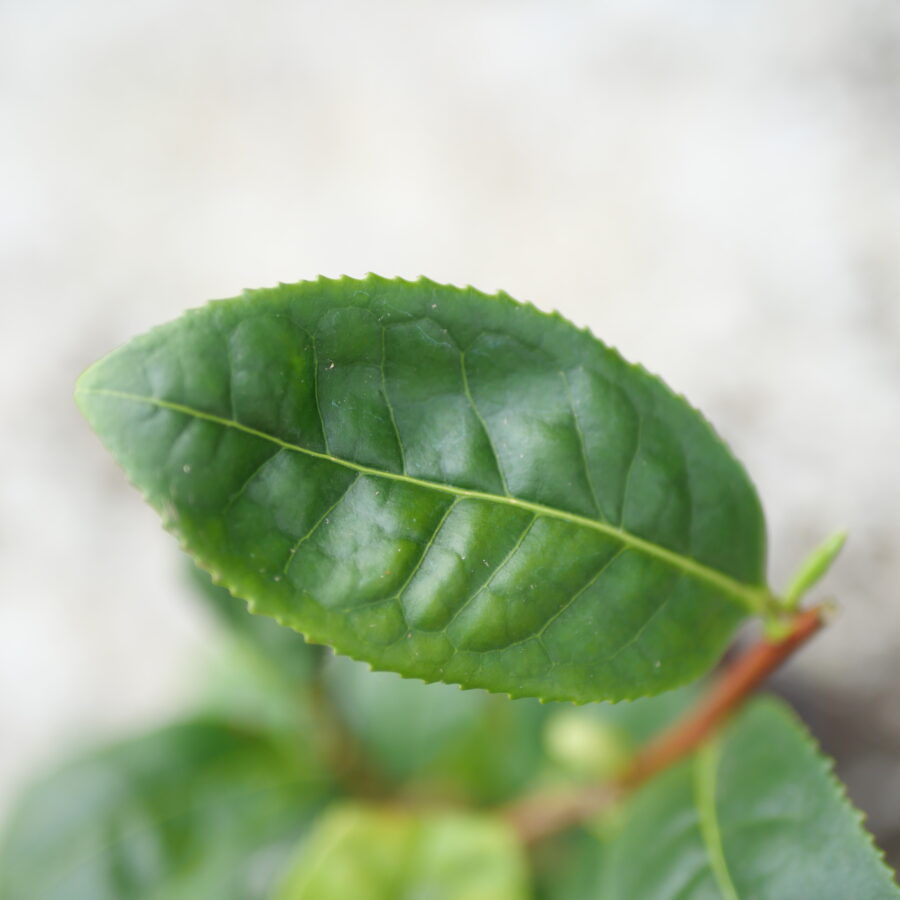
What is a Tea Plant?
The tea plant is a shrub belonging to the species Camellia sinensis. All teas—green, black, white, yellow, oolong, and dark teas—are produced from its young leaves and buds.
Originally from the southeastern foothills of the Himalayas, the tea plant spread over centuries throughout East Asia. Today, it can adapt to new terroirs, provided that cultivars are carefully selected according to climate, soil conditions, and intended use.
Everything You Need to Know About Tea Plants
A tea plant can live for several decades, or even centuries. Its growth, cold resistance, productivity, and aromatic profile depend on several factors:
- the cultivar (genetic origin),
- pedoclimatic conditions (soil, rainfall, temperatures),
- the cultivation method (planting density, pruning, fertilization),
- harvesting and processing methods.
Tea plants are selected for their vigor and tolerance to cold and drought, but also for their aromatic richness and their ability to produce high-quality teas.
A Selection of Tea Plants for Every Use
At Filleule des Fées, we offer a carefully curated selection of tea plants. Each cultivar is tested and observed for its behavior, resilience, and clearly identified uses.
Our plant collection brings together tea plants from various regions around the world. It includes both clonally propagated plants, valued for their uniformity and stable, well-known characteristics, and seed-grown plants, which offer greater genetic diversity and long-term adaptive potential.
Designed for professionals, project developers, research institutions, and committed amateurs alike, our plant collection supports a wide range of objectives: tea production, agronomic experimentation, varietal selection, and the establishment of seed gardens.
FAQ : Our Tea Plants
Tea plants can be planted between October and May.
In autumn or winter, protect them from cold winds.
In spring, make sure you can water them during short dry periods between May and July.
Avoid planting during very cold or windy conditions.
The tea plant (Camellia sinensis) prefers acidic, well-drained soil (pH < 6) and moderate humidity (over 60%).
Protect it from drying winds. It can tolerate cold temperatures down to –12 °C, and some varieties even lower.
Tea plants also adapt well to different light conditions — those grown in partial shade establish more easily but yield less once mature.
Our cultivars — Trévarez, Kemper, Korean, Georgian, and Kolkhida — have withstood temperatures down to –6 °C here.
Growers in the Pyrenees and Germany have even seen –12 °C without major damage.
Late frosts, especially in April after mild weather, can harm new shoots and cause them to blacken, but the plant typically recovers after a few weeks.
The tea plant naturally grows in the ground.
It can stay in a pot for a few years, but its deep roots will eventually need more space.
Some gardeners do manage to keep tea plants in pots, though.
Always protect them from drying winds and give them a spot with partial shade.
The tea plant naturally grows in the ground.
It can stay in a pot for a few years, but its deep roots will eventually need more space.
Some gardeners do manage to keep tea plants in pots, though.
Always protect them from drying winds and give them a spot with partial shade.
Our tea plants are grown in the nursery and are not sold directly at the garden.
However, we sometimes offer them for sale during the summer season when the garden is open.
Orders are shipped once a week (more frequently during the holiday season).
Once dispatched, delivery usually takes 3 to 5 business days, depending on the carrier.
Our plant nursery operates in spring and autumn — the best seasons for planting.
We pause tea plant shipments during summer (June to August) and winter (January to March) each year.