

Tea enjoys a flattering reputation when it comes to health, and not without reason. Yet between exaggerated claims and popular misconceptions, it isn’t always easy to tell what’s established from what’s mere myth. This article takes stock of what medical research can actually confirm about tea’s effects on the body.
Tea and Cardiovascular Health: One of the Best-Documented Effects
Among its most robust benefits, tea’s role in preventing cardiovascular disease has been the subject of the largest body of research. Regular tea consumption is associated with a moderate reduction in cardiovascular disease risk, largely thanks to the polyphenols it contains: catechins in green tea, theaflavins in black tea. These compounds are thought to help limit the oxidation of blood lipids, improve vascular function, and support normal blood pressure. Some studies also observe a slight decrease in LDL cholesterol. These effects remain modest and complementary to a balanced lifestyle.
Tea and Aging: Helping You Age Well Rather Than Age Slower
Tea is particularly rich in antioxidants, which caught researchers’ attention early on. The idea was appealing: neutralize the free radicals produced by metabolism to slow cellular aging. Results in animal models have often been encouraging, but the picture is more nuanced in humans.
Current research suggests that tea’s polyphenols act on numerous mechanisms (inflammation, cellular repair, immune response) beyond their antioxidant activity alone. Several large-scale studies have shown that regular tea drinkers have better cardiovascular health. In short: tea probably helps you age well more than it helps you age slower.
Tea and Cancer: Promising Leads, but No Definitive Conclusions
Tea polyphenols, particularly EGCG (epigallocatechin gallate) from green tea, show interesting effects in laboratory settings on certain mechanisms linked to tumor development. In humans, results are more mixed and depend heavily on the type of cancer studied, dietary habits, and the populations concerned. Research suggests a potentially protective effect, though not enough to claim that regular tea consumption alone is sufficient to prevent cancer from developing.
Caffeine and L-Theanine: Why Tea Is a Different Kind of Stimulant Than Coffee
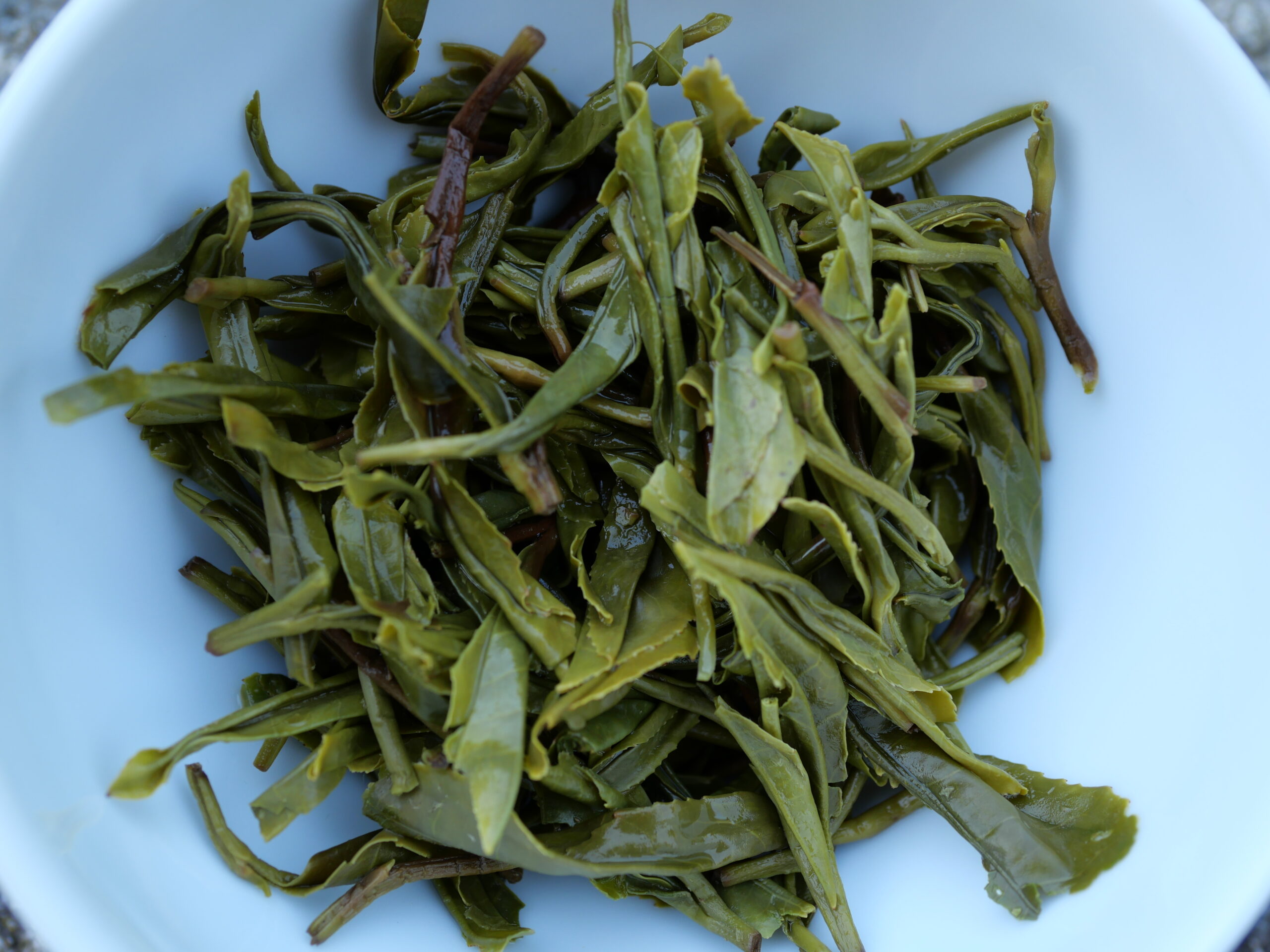
Many tea drinkers describe it this way: tea is stimulating, but without coffee’s sometimes unpleasant jitteriness. This difference is mainly explained by the presence of L-theanine, an amino acid naturally found in Camellia sinensis leaves, particularly abundant in green tea.
L-theanine works in synergy with caffeine : it promotes a state of calm, focused attention, limiting feelings of nervousness or restlessness. Contrary to a common belief, the caffeine in tea is chemically identical to that in coffee — it’s the biochemical environment in which it’s consumed, and the dose ingested, that account for the differences felt.
Tea and Cognitive Performance
The caffeine–L-theanine combination has been the subject of extensive research. The findings are consistent: it improves attention, alertness, and the ability to sustain concentration. It also reduces mental fatigue during prolonged effort. On the other hand, nothing supports the claim that tea durably boosts intellectual capacity or improves long-term memory. Its effects lean more toward temporary optimization than lasting transformation.
Tea and Gut Microbiota: A Promising Research Avenue
The gut microbiota is currently one of the most active areas of medical research. Tea polyphenols, partially metabolized by gut bacteria, appear to promote microbiota diversity and balance. Knowledge in this area remains incomplete, but this pathway could help explain some of the favorable effects observed in regular tea drinkers.
Tea and Oral Health
Tea naturally contains fluoride, whose protective effect against cavities is scientifically established. Certain polyphenols also appear to reinforce this action by limiting the growth of bacteria involved in dental plaque formation.
A Few Side Effects
Tea is generally well tolerated, but a few points deserve attention
- Iron absorption. Tannins reduce the absorption of plant-based iron. This effect is fairly insignificant for most people, but it can become relevant for those prone to deficiencies (pregnant women, anemia, a heavily plant-based diet). In these cases, it’s advisable to avoid drinking tea with iron-rich meals.
- Sleep. Caffeine can affect falling asleep in sensitive individuals. Sensitivity varies widely from person to person, and the type of tea also plays a role: fine spring harvests (one bud plus one leaf) are generally more concentrated in caffeine than late-season harvests.
- Dehydration, true or false? Contrary to a persistent misconception, tea does not dehydrate you. Caffeine’s diuretic effect is largely offset by the water provided by the infusion itself.
Conclusion
Tea is a beverage whose regular consumption fits favorably within the framework of a healthy lifestyle. Its effects are real but modest when taken in isolation — as is often the case in nutrition, the benefits stem from the accumulation of good habits rather than any single miraculous property. And perhaps that’s its greatest quality: being an everyday beverage that is both enjoyable and healthy.